 Purchasing
 Inventories and waste
 Analytics and performance
 Recipe cards
 Production management
 HACCP
HACCP Mobile app
 Invoices and prices
 AI assistant
 Multi-location groups
 Casual dining
 Fast food
 Hotels
 Food courts
 Bakeries
Margins and food cost
Inventory management: how to increase your restaurant's profitability
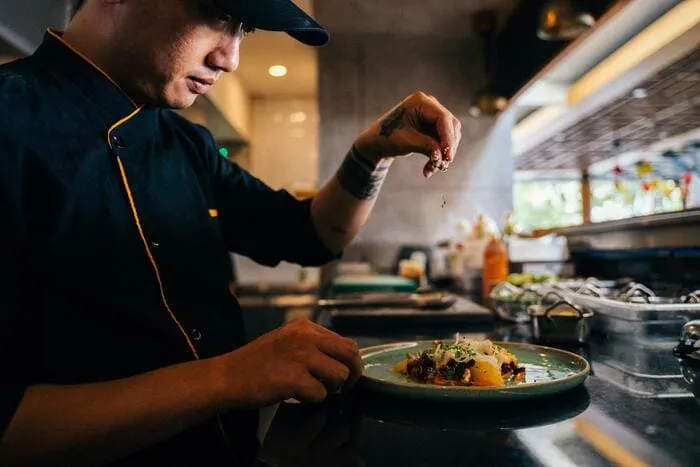
Keeping food costs under control requires constant vigilance. The slightest slip can hurt your restaurant’s profitability, putting your margins and, in turn, your overall financial results at risk.
The risks of poor inventory management
Why is it crucial?
Consider a few statistics we have observed among our customers:
- When inventory counts are carried out regularly and accurately, profits can rise by 24% a year.
- By tracking their inventory weekly, restaurant chains can increase their results by 10%.
- Restaurant brands that adopt digital solutions to automate inventory tracking cut their food costs by up to an additional 5%.
😬 Yet many restaurant chains are not taking advantage of these opportunities:
- 43% of restaurants do not track their inventory regularly.
- 63% of restaurateurs do not regularly monitor their supply chain.

The impact on a restaurant chain
A poorly organized inventory can quickly lead to significant financial losses:
According to ADEME, the French environment agency, full-service restaurants waste an average of 180 g of food per cover, almost twice as much as institutional catering, where that waste already costs around €1 per meal (food, labor, energy, disposal). Taking that €1 per cover, a restaurant serving 150 covers a day loses nearly €150 every day, or around €50,000 a year. For a chain of 10 restaurants, the loss exceeds €500,000 a year. On top of that, overstocking combined with a lack of regular monitoring encourages theft.
Few restaurant brands can absorb that kind of financial hit.
This is where accurate, rigorous management of your raw material inventory comes in.
By putting processes in place and applying them every day, you can reduce food waste caused by expired products. It also helps limit theft, reduce inventory discrepancies and, ultimately, protect your margins.
Best-practice checklist for managing your inventory
Here are a few key steps to optimize your inventory management:
- Count your inventory regularly: We recommend doing an inventory count every month, and more often for expensive products such as meat or fish.
- Standardize your inventory counts: Writing down your inventory method makes it easier to standardize across several locations.
- Train your teams: Every staff member must understand why rigorous inventory management matters.
- Record every action. Log every stock movement, such as goods in and goods out. Include transfers too. This will give you a clear view of each location.
- Analyze your data: Use your inventory data to make better decisions and reduce food waste.
- Automate your inventory management: As your business grows, digitize your inventory management. This lets you track your stock in real time, accurately and effortlessly.
👉 To go further, read our latest article on best practices to make inventory counts easier.

How inventory management and the supply chain are linked
Effective inventory management goes hand in hand with well-controlled purchasing. If purchasing is not optimized, it will be hard to keep your inventory under control. That is why it is crucial to adopt rigorous practices for both processes.
Optimize your purchasing
Poor supply chain management can lead to costly mistakes. To stay competitive, you need to put good purchasing practices in place:
- Standardize your processes: Written procedures let you train new staff quickly and evaluate new suppliers.
- Buy according to demand: Set minimum stock levels and use order forecasts to avoid overstocking and anticipate stock-outs.
- Negotiate with your suppliers: Contract bulk purchases to get better prices, even for staples such as sugar or oil.
- Optimize your purchase orders: They must be clear and detailed, including quantity, quality, pack size and price.
- Check deliveries: Make sure each delivery matches the purchase order before paying.
- Check invoices: Regularly compare invoices with deliveries to avoid paying for products that were not received or were damaged.
- Automate: Just as with inventory, purchasing management software will make you more accurate and efficient.
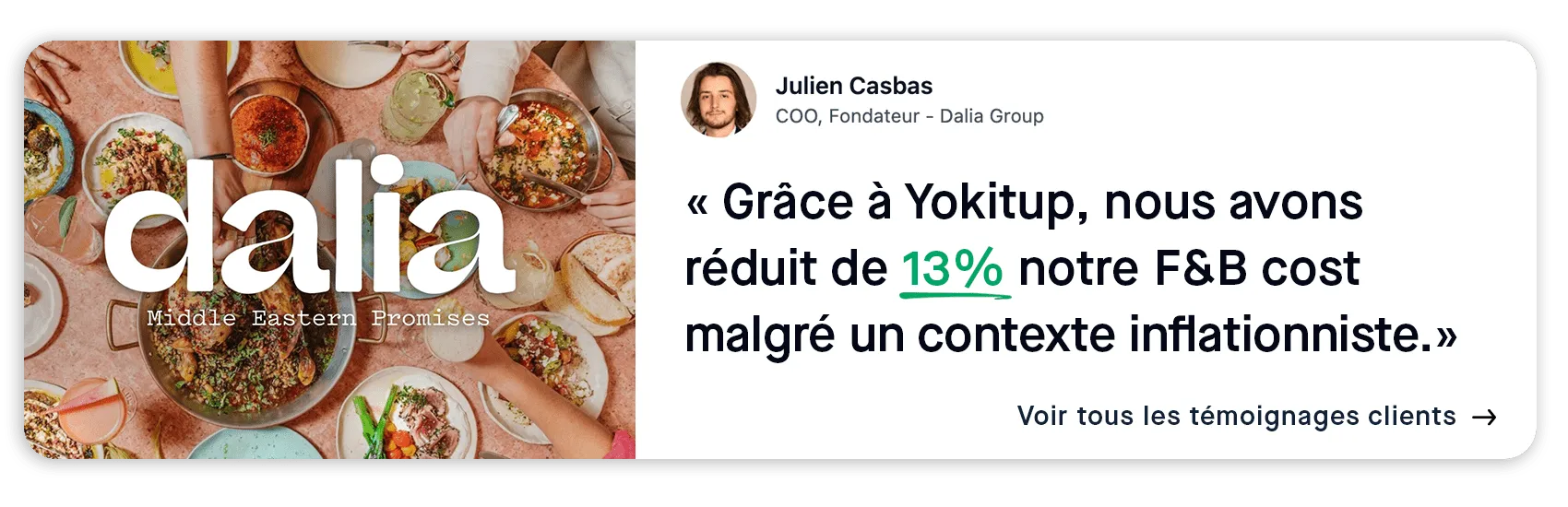
Automate your inventory management
Inventory and purchasing management is crucial to maximizing restaurant profitability.
At Yokitup, we have developed a tool specifically designed to support growing franchise networks and restaurant chains. We help restaurateurs automate their inventory management processes and simplify the day-to-day work of on-site teams.
Yokitup centralizes your data to give you the key performance indicators that help you make better decisions.
Here are some of the Yokitup features that let you automate your inventory management:
- Anticipate the quantities to order from your suppliers
- Automate your purchasing management
- Save time on your inventory counts
- Manage your recipe cards and cost prices
- Analyze your ratios
Want to know more? Our team helps you set up the best inventory management strategy for your restaurants.